July 24, 2026
The body content of your post goes here. To edit this text, click on it and delete this default text and start typing your own or paste your own from a different source.
Mini split systems are an increasingly popular solution for enhancing home comfort. Unlike traditional HVAC systems, these units offer flexible, efficient, and versatile climate control, tailored to individual preferences. This article explores the various ways mini split systems contribute to creating more comfortable living environments. From improved air quality to energy-saving benefits, mini split systems address many challenges faced by homeowners. As we delve into the specific components and benefits, a clearer picture emerges of why these systems are a go-to choice for modern households.
Understanding Mini Split Systems
Components of Mini Split Systems
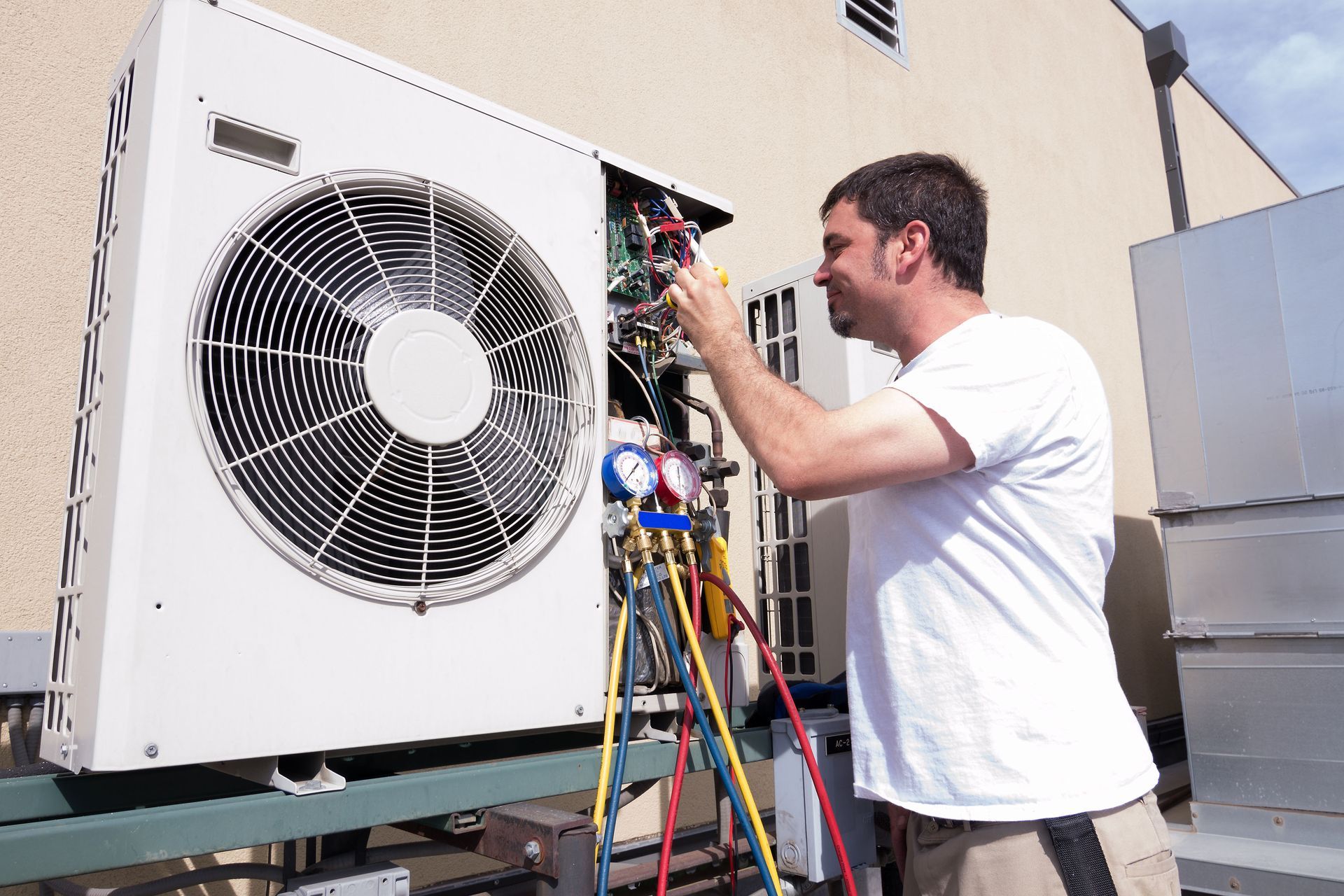
Mini split systems consist of two main components: an outdoor compressor/condenser and an indoor air-handling unit, or evaporator. A conduit, which houses the power cable, refrigerant tubing, suction tubing, and a condensate drain, links the outdoor and indoor units. This setup often means no need for ductwork, making mini splits a fitting choice for homes lacking duct systems. Many mini splits can accommodate multiple indoor units connected to one outdoor unit, providing coverage for different zones of the home. By eliminating the need for extensive ductwork, mini splits allow for more straightforward installation and maintenance.
How Do Mini Split Systems Work?
Mini split systems regulate temperature by moving warm or cool air without using ducts. The indoor units extract heat from the air in cooling mode or warm it up in heating mode, while the outdoor unit either dissipates or absorbs the extracted heat. Refrigerant plays a crucial role in this heat exchange process, cycling between the indoor and outdoor units to provide consistent comfort. This efficient method reduces energy loss typically associated with duct systems, aiding in energy conservation within the home environment. According to the U.S. Department of Energy, ductless mini-split systems eliminate the duct losses that can account for more than 30% of energy consumption in conventional forced-air systems.
Comparing Mini Splits with Traditional HVAC Systems
Traditional HVAC systems typically depend on extensive ductwork that circulates air throughout the home. Ductwork not only complicates installation but also can introduce inefficiencies due to air leaks and energy loss. In contrast, mini split systems offer flexibility without the pitfalls of duct-based air transfer. The absence of ducts means less conditional air loss, leading to better energy efficiency. Thus, mini splits are often more suited for retrofitting existing homes without upheaval.
Installation Process
Installing a mini split system is less invasive compared to traditional HVAC systems, since it does not require extensive ductwork. An essential part of the installation involves mounting the indoor units and connecting them to the outdoor unit through a conduit. Professional installation is recommended for optimal efficiency and performance, ensuring all components are correctly connected and calibrated. Typically, the setup requires only a small hole in the wall and secure mounting of indoor units, making the installation process relatively quick. As a result, mini splits are ideal for homes without space for ducts or those seeking a cleaner installation process.
Types of Mini Split Systems
Ductless mini split systems come in various configurations to suit diverse home layouts. Single-zone systems are perfect for individual rooms or small areas, while multi-zone systems can handle multiple rooms or entire floors. Wall-mounted systems are among the most common, but ceiling-mounted, floor-mounted, and concealed duct types offer diverse options for various interior designs. This versatility ensures that homeowners can customize their setup according to the spatial and aesthetic demands of their home. The availability of different types broadens their applicability, adding to their appeal as a flexible climate control solution.
Energy Efficiency
Energy Savings Over Time
One of the distinct advantages of this ductless option is its potential for substantial energy savings. Due to its focused heat exchange process and elimination of duct losses, these systems often consume less energy. Over time, the reduction in energy usage compared to traditional systems translates into considerable financial savings for homeowners. Users can expect a lower monthly energy bill while also reducing their carbon footprint, thanks to the system's efficient operation. This makes mini splits a greener choice for environmentally conscious homeowners.
Eco-Friendly Refrigerants
Many modern mini split units use eco-friendly refrigerants like R-410A, which have a lower environmental impact than older refrigerants. These refrigerants have zero ozone depletion potential, aligning with modern concerns over environmental sustainability. By focusing on sustainable practices, this technology contributes to greener living without compromising on performance. Some units also feature enhanced energy efficiency settings, maximizing the eco-friendliness of their operation. The use of these refrigerants underscores the commitment of these units to providing sustainable comfort solutions.
Utilizing Zoned Heating and Cooling
Mini splits allow for zoned heating and cooling, offering tailored temperature settings for individual rooms or areas. Each indoor unit can be independently controlled, ensuring that every space is as comfortable as desired without unnecessary heating or cooling of unoccupied areas. This zoning capability results in dramatic energy savings and increased comfort, as systems work only as needed. By targeting specific areas, homeowners can avoid the common problem of uneven temperature distribution. This flexibility provides an effective way to maintain comfort while using energy wisely.
Smart Controls and Energy Management
Advanced ductless units often come equipped with smart controls, enabling integration with home automation systems for seamless energy management. Through mobile apps or smart devices, users can control each indoor unit individually or set programmable schedules to optimize energy use. This connectivity facilitates monitoring and adjustments based on real-time conditions, enhancing energy conservation practices. Custom scheduling and remote access ensure that residents only use energy when it is necessary, preventing waste. For many users, these smart features consequently contribute to more manageable energy costs and efficient home climate control.
Improved Air Quality
Filtration Capabilities
These systems come equipped with advanced filtration capabilities, aiding in purifying indoor air. These filters capture dust, allergens, and other particulates, ensuring cleaner air within the living spaces. Frequent filter maintenance ensures optimal performance and air quality, contributing to a healthier home environment. Often, these filters are washable and reusable, making upkeep easy and sustainable. Improved filtration not only enhances comfort but also supports the health and well-being of residents.
Humidity Control
Effective humidity control is another advantage offered by mini splits, vital for maintaining a comfortable living environment. Excessive moisture can lead to discomfort and issues like mold growth, while too little can cause dryness. Mini splits effectively regulate indoor humidity levels, adding or reducing moisture as needed for balanced comfort. This ability to maintain consistent humidity levels also helps protect the home and its contents from moisture-related damage. A balanced humidity setting ensures indoor environments remain ideal regardless of outdoor weather conditions.
Ventilation and Fresh Air Circulation
Many units incorporate features that enhance ventilation and promote fresh air circulation within the home. By supplementing mechanical ventilation, they help dilute indoor pollutants with fresh air, improving overall air quality. This process can be essential in homes that are well-sealed for energy efficiency, as it introduces necessary outdoor air. Improved circulation also helps distribute warmth or cooling evenly, eliminating stagnant air spots. Consequently, mini splits provide both comfort and a healthier indoor atmosphere.
Reduction of Indoor Pollutants
Indoor air often contains pollutants such as dust, pollen, and volatile organic compounds (VOCs). These systems, with their fine filters, are adept at trapping these contaminants, significantly reducing their concentration in indoor air. The improved filtration aids in alleviating allergy symptoms and respiratory issues, offering a healthier environment for inhabitants. Regular cleaning of components ensures that these filtration capabilities remain effective, maintaining optimal air quality over the system's lifetime. Thus, switching to mini splits can result in tangible health benefits for allergy sufferers and those sensitive to pollution.
Mini splits represent a versatile and effective solution for improving home comfort. From energy efficiency to customizable climate control, they provide numerous benefits that can significantly enhance the living experience. Their flexibility, backed by advancements in technology and eco-friendly solutions, positions them as an outstanding choice in modern home heating and cooling. While their initial cost may be a consideration, the long-term rewards in energy savings, comfort, and property value offer substantial incentives. As more homeowners seek sustainable and efficient comfort solutions, these units continue to stand out as a practical investment for year-round home comfort. Call Revive Remodeling & Restoring Inc today.